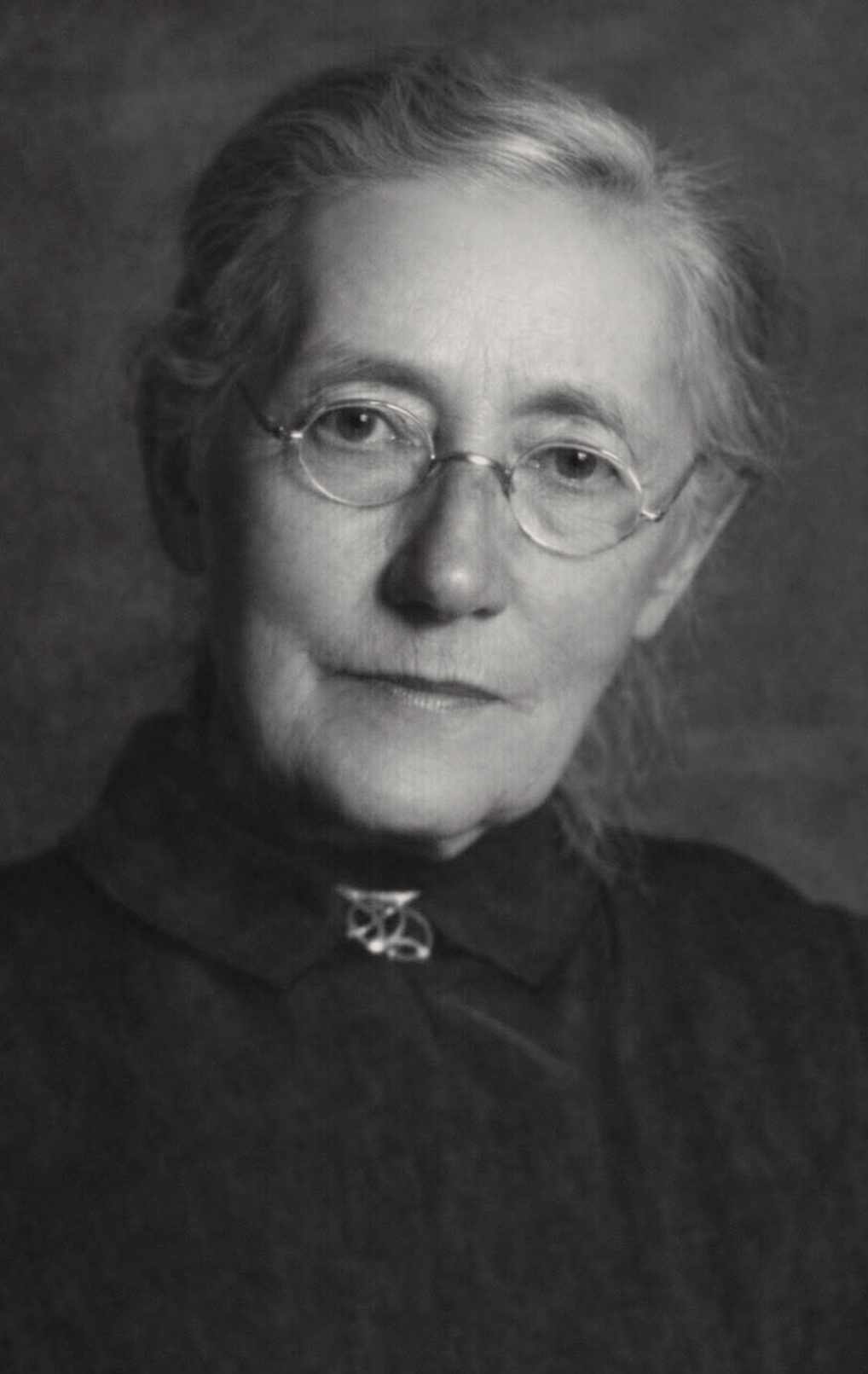
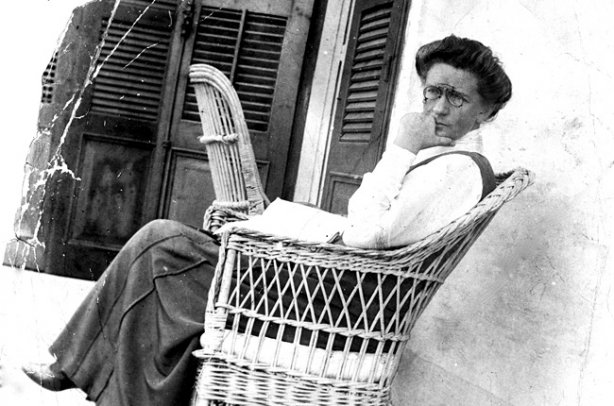
On February 18, 1856, Sofiya Rusova was born in the village of Oleshnya, Chernihiv Governorate. She was a prominent Ukrainian teacher, educator, theorist and practitioner of preschool and after-school education, and public figure who helped lay the foundations for the national preschool education system.
S. Rusova received her primary education at home. Her governesses taught her foreign languages, so she spoke French, English, German, and Czech fluently. At the age of ten, she entered the third class of the prestigious Funduklejev Women’s Gymnasium in Kiev, graduating with a gold medal in 1870.
In 1871, at the age of 15, together with her sister Maria S. Rusova, she opened the first Ukrainian kindergarten in Kiev, which was attended by 20 pupils, mostly children of Ukrainian intellectuals. In the evenings, rehearsals for Ukrainian-language plays, which were banned at the time, took place in the kindergarten. S. Rusova actively participated in the performances and became involved in the study of Ukrainian culture, language, ethnography, and folklore. From then on, her life was forever linked to the struggle for the revival of the Ukrainian national identity, language, culture, and education.
After working at a kindergarten in Kiev, S. Rusova continued her practical teaching activities at private kindergartens in Chernihiv, Kherson, and Poltava.
Alongside her teaching activities, S. Rusova was involved in compiling textbooks. In 1906, she completed work on the textbooks “Ukrainian Primer” and “Elementary Geography.” This was a bold step, as Russian censorship did not allow such textbooks to be published in the Ukrainian language.
From 1909, S. Rusova worked as a teacher of pedagogy at the Froebel Women’s Institute, which trained preschool teachers, and at the same time taught French at the Commercial Institute.
At the age of 65, Sofiya Rusova emigrated to Prague, where she taught at the Ukrainian Economic Academy.
The renowned Ukrainian educator died on February 5, 1940, in Prague and was buried in Prague’s Olšany Cemetery.
Information prepared by Vitalina Kuznietsova, curator of the Lithuanian Education Museum collection